When they're having fun, they speak it.
Live online Spanish and French classes for kids aged 4–12: native teachers, small groups and immersion through play, with a community of families in 56 countries.
Book a trial class · €3★★★★★ More than 300 families have given us 5 stars

Two languages, one method: play
Diluu runs online language classes for kids aged 4 to 12 in Spanish and French. Full immersion from minute one, with visual support so children understand everything, exactly the way they learned their first language. Choose the one your family needs.
Online Spanish classes for kids
Live group classes with native teachers from Spain and Latin America. From complete beginners to kids who understand it at home and need the confidence to speak.
Discover online Spanish classes for kids →
Online French classes for kids
The same games, songs and missions, in French, with native teachers from France. For families starting from scratch and for francophone families abroad.
Discover online French classes for kids →
Not sure which level fits? Start with a €3 trial class and the teacher will tell you after the first 30 minutes.
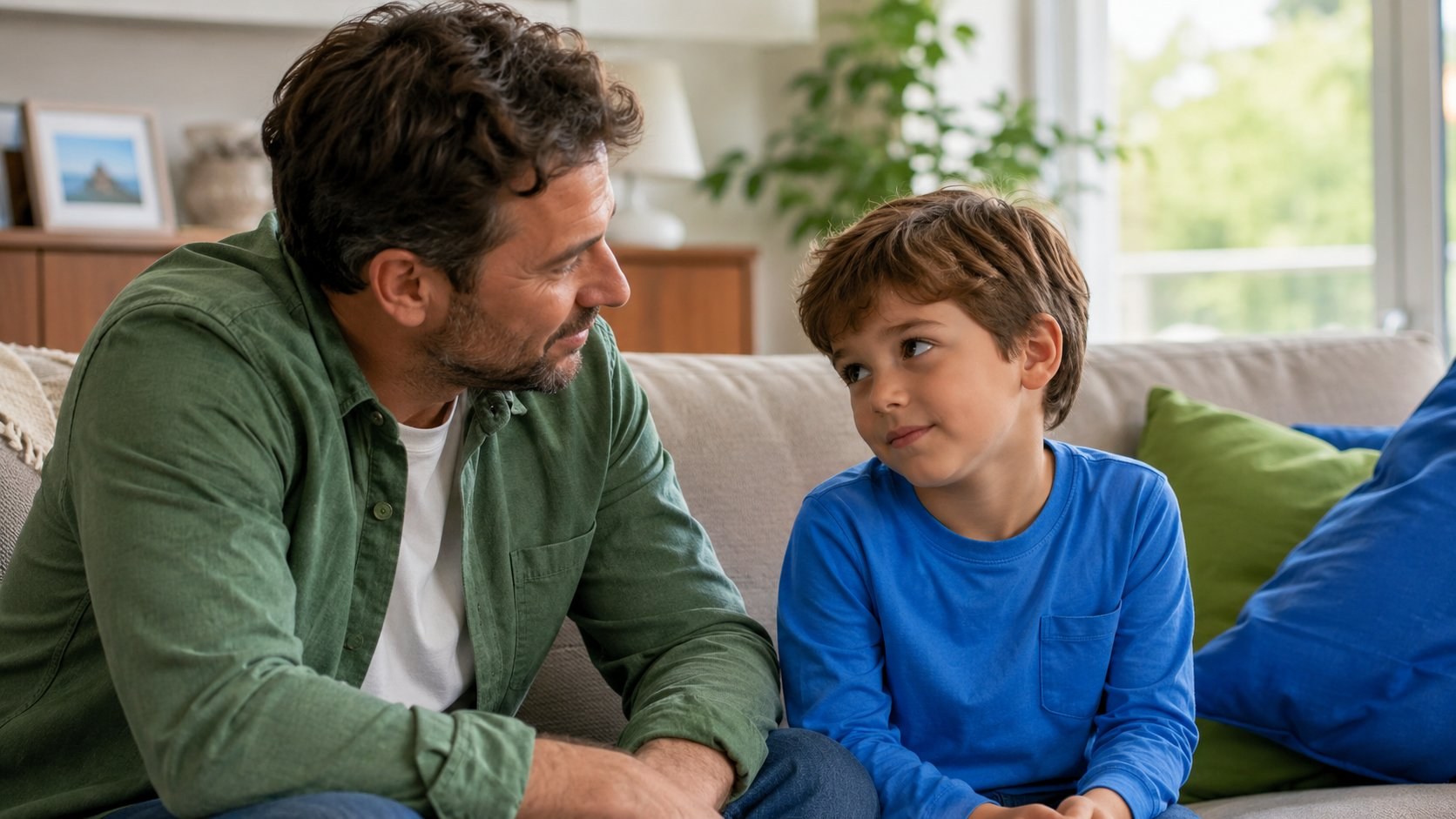
Does your child understand it… but won't speak it?
It happens in bilingual families all over the world: kids grow up hearing Spanish or French at home, but school, friends and screens speak louder. Little by little the family language becomes something they only listen to.
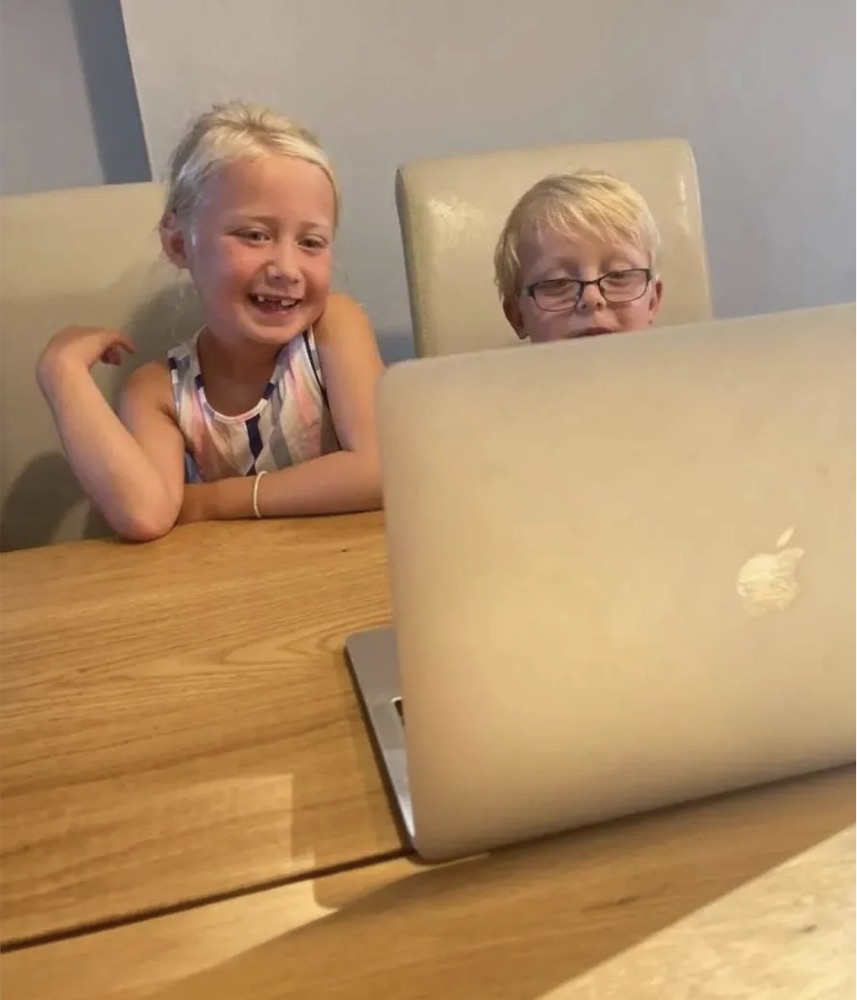
That is exactly what our classes are built for: a small group of children in the same situation, playing, arguing about who goes first and laughing in the language. Nobody notices they are practising.

¿Qué tal el cole, mi amor?
Good! Can I have a snack?
Sound familiar? That's exactly where we come in.
With Diluu you'll see:
Why does it work?
Because nobody is translating anything. Look at any class and you will see the same three things.
Immersion, with gestures
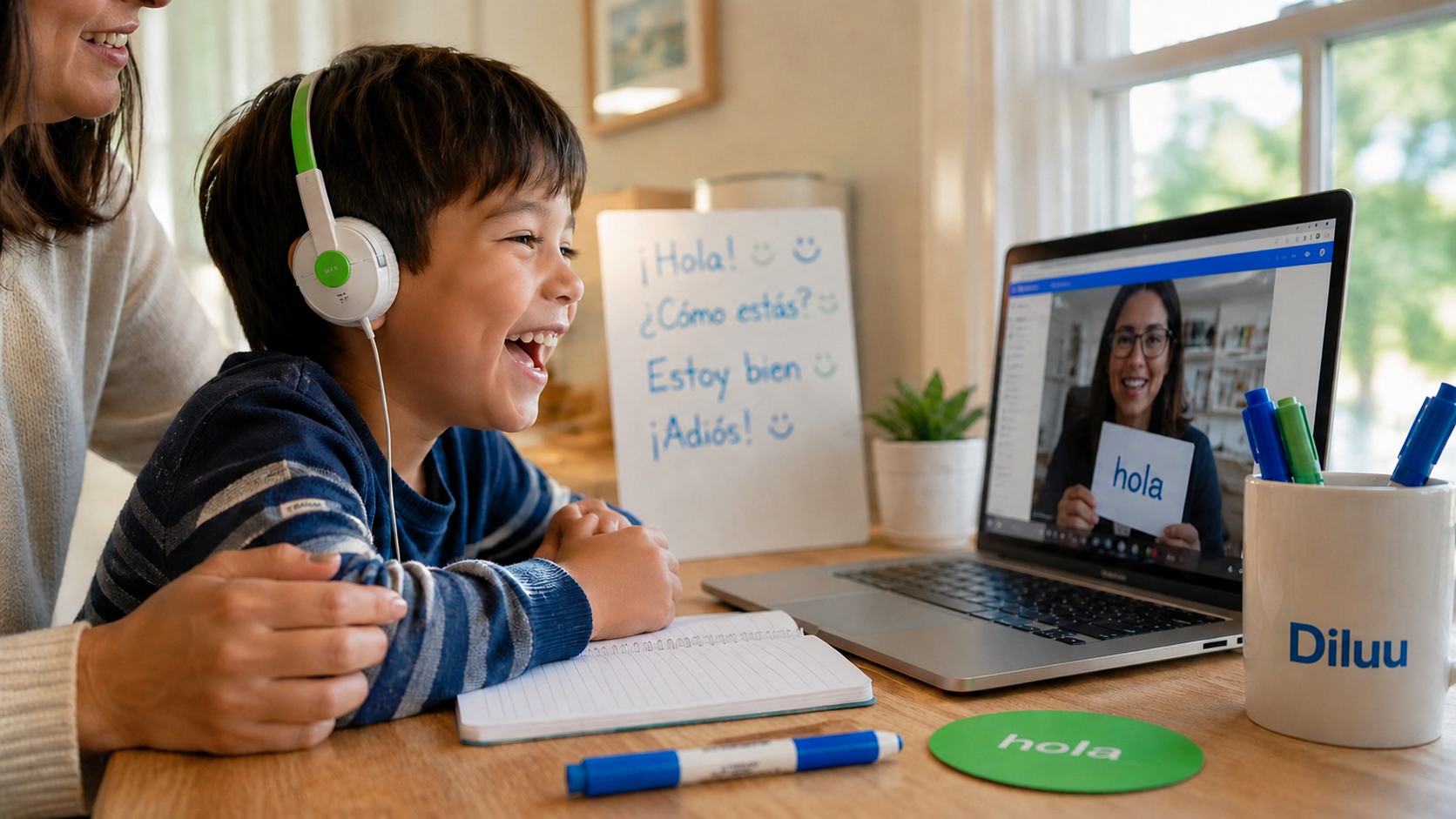
100% in Spanish or French from minute one. The teacher acts everything out (Total Physical Response), so they understand without a single word of translation.
Groups of 6, never more
Maximum 6 children per class, and 4 for beginners and 4 to 6 year olds. Everyone speaks, everyone gets their turn, nobody hides behind the screen.
Native teachers who play
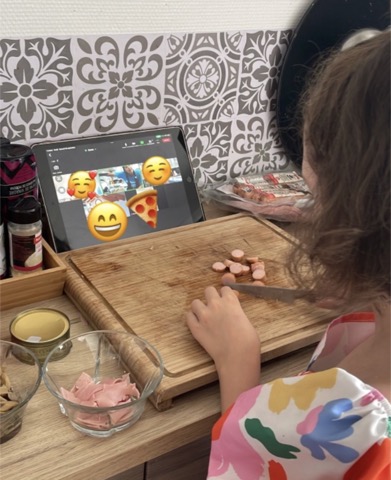
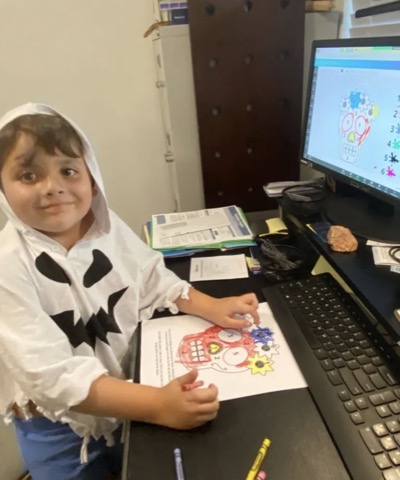
Puppets, cooking, missions, costumes. Our teachers are native speakers specialised in children, and they teach the way a 6 year old wants to learn.
Flexible, because family life is.
Your student dashboard puts the week in your hands. Every family gets access from day one.
Move any class yourself from the student dashboard, as long as there are at least 12 hours to go. No emails, no waiting.
Switch to another group whenever you need to, and pick the accent of your child's teacher.
Every class comes with related activities in the dashboard calendar, so they keep practising between lessons.
 The student dashboard, in one minute
Everything you need to know

A class that fits their age
A 5 year old and an 11 year old do not have fun with the same things. That is why the groups, the activities and even the length of each turn change with the age.
Songs, puppets and movement
100% oral, groups of 4 maximum. They sing, jump and cook: the language arrives through the body, never through a worksheet.
Classes for 4 to 6 year olds →Missions and projects
Each week has a mission: an escape room, a recipe, a play. They read and write their first sentences because the mission needs it.
Classes for 7 to 9 year olds →Debates and real conversation
Should homework exist? Thirty seconds to convince the group. At this age they progress fastest, and they hate getting it wrong in public.
Classes for 10 to 12 year olds →Younger, or ready to read and write? We also have Spanish for kindergartners and a one-to-one Spanish literacy course.
What families say
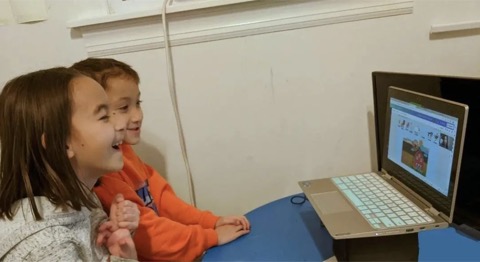
"I'm the only one who speaks Spanish at home. I love their teachers and how they teach. My children are excited about the class and they learn the language while having fun."
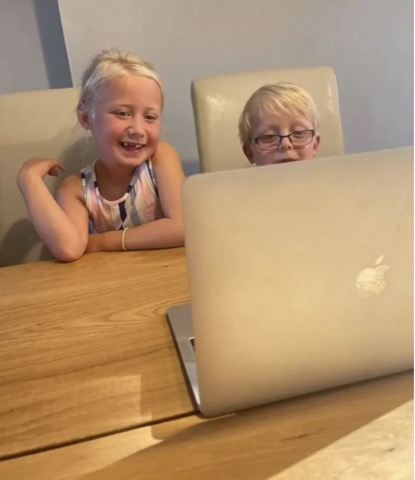
"Diluu has a wonderful team of teachers who teach your children how to speak Spanish in a very fun way! My daughter overcame her fear of speaking thanks to their classes."
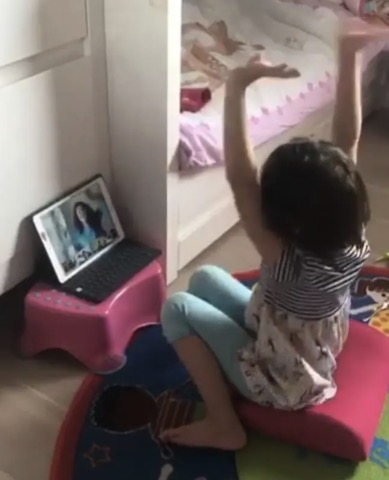
"They are fun and inclusive for all levels. I was looking for a homeschool Spanish academy and Diluu was a great solution: my kids' confidence grows every week."
"My 5-year-old daughter has improved her Spanish enormously thanks to the excellent work of Laura and the Diluu team. The classes are really enjoyable and the teacher balances every child's participation very well. Highly recommended!"
"In our house only I am Spanish. My children understand me but never spoke back to me in Spanish. Now, thanks to the lovely and engaging teachers from Diluu, they're finally starting to speak Spanish, and not only in class: also with their Spanish family!"
"My son can't wait for his Spanish lesson every Saturday. He loves interacting with his teacher and the other kids in the class."
★★★★★ 5.0 from 300+ reviews · Read more on Google
Prices
No commitment, cancel anytime. The more days per week, the more affordable each class.
Cuenta todas las clases de la familia: dos hijos con una clase a la semana cada uno son 2 clases por semana.
From the blog
Honest answers to the questions families ask us before signing up.
2-minute quiz. Find out why your child understands Spanish but won't speak it. Take the quiz →
FAQs
What is the best age to start?
We recommend starting from the age of 4. From this age, children are able to concentrate on an activity for 30 minutes and can understand the interaction with the teacher and the other students that happens through the screen. For younger children, we recommend the songs, stories and activities we have on our YouTube channel.
How many students are there in each class?
We have a maximum of 6 children per class (including the reading and theatre classes), except beginner groups and groups of 4 to 6 year olds, where the maximum is 4. The literacy course is one-to-one, so each child gets the teacher's full attention.
Where are the teachers from?
All our teachers are native speakers. The Spanish team is diverse and multicultural, with teachers from Spain and Latin American countries; the French team is made up of teachers from France. All of them are specialised in teaching children online.
Do I have to be present during classes?
Children under 6 years old are usually more comfortable in the first sessions if parents are with them, so we recommend being close to them during the first session. For children older than 6 it's usually the opposite, and they tend to participate more if they are alone. In any case, this depends on each child and parents can choose whether to be in the class or not.
We live in a different time zone. Will there be a group that fits?
Our families are in 56 countries, so we have schedule options from Monday to Sunday for all time zones. We also open new groups every week: if none of the current times work for you, write to info@diluu.com and we will let you know as soon as there is a group that fits.
We can't make it one day. Do we lose the class?
No: you can reschedule it yourself from the student dashboard, as long as there are at least 12 hours to go before it starts. Within those 12 hours it can no longer be moved, because the teacher and the group are already set.
My child needs to start from scratch. Will the teacher speak in their language?
Yes, we offer beginner classes that are entirely in the target language. We use the Total Physical Response method, where everything the teacher says is supported by visual aids to facilitate understanding. This method is highly effective for improving listening comprehension and pronunciation.
Is there any commitment? How does the 3 euro trial class work?
There is no commitment: you can cancel at any time. The trial class costs 3 euros and is a real class, with a native teacher and other children of the same age and level. You book it in a couple of minutes, your child tries it, and only then do you decide whether to continue.

One day they'll thank you in two languages.
One €3 class. No commitment. By the end of it, you will know.
Book a trial class · €3Not sure yet? Read what to expect in your child's trial Spanish class.
Which language are we trying?
The trial is a real class with a native teacher and kids of the same age group (4–6, 7–9 or 10–12) and level. It lasts 30 or 45 minutes, depending on age and level.