French literacy for kids: learn to read and write from scratch
An online course where kids learn to read and write in French in one-to-one classes with native teachers, personalised to your child's other language, from age 5, part of our online French classes for kids. Once they read and write, the group levels of Reading & Theatre take over.
Book a trial class · €3★★★★★ More than 300 families have given us 5 stars



 ma-man
cha-peau
Je lis !
ma-man
cha-peau
Je lis !
They speak French at home… but can they read it?
It's the forgotten half of bilingualism. Your child's whole schooling happens in another language, so someone teaches them to read and write in English, German or Spanish… but nobody teaches them to read and write in French.
And literacy is what fixes a language for life: reading books in French, texting their grandparents, keeping up at school if you ever move back. A child who only speaks French can lose it in adolescence; a child who reads and writes it keeps it forever.
If your child understands French but is still reluctant to speak it, start with our classes for French heritage speaker kids: literacy is the natural next step.
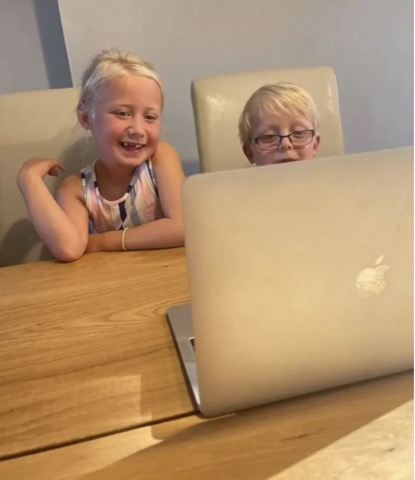
How kids learn to read and write in French at Diluu
A step-by-step method built for kids, all through play, so your child never feels like they're "studying".
Letters and their sounds
First, the letters and the sounds they make, through games, songs and stories: the ones French shares with their other language, and the ones it doesn't (u, on, in).
Syllables, then words
With that base, children join sounds into syllables, and syllables into their first words, reading out loud from the very first classes.
The French traps
Silent final letters, accents, the many spellings of one sound and the liaisons between words: each gets its own games, so they stop being traps.
Everything is play
Every class feels like a game. Children learn to read without ever feeling they're studying.
A favourite example: the same sound can be written o, au or eau (vélo, jaune, bateau). French is not read exactly as it is written, which is why reading out loud and acting out texts is what makes spelling stick.
Why our literacy classes are one-to-one
Learning to read in French is not the same from English as from German or Arabic. The starting point depends on your child's dominant language: its alphabet, its sounds, and everything they already know how to transfer.
That's why this course is one-to-one: our native teachers adapt the method exactly to your child's case: no generic curriculum, no group pace that's too fast or too slow.
For the fastest progress we recommend an intensive rhythm of 3 classes per week.

The full path: from first letters to theatre
Two programmes, one after the other. First they learn to read and write, one-to-one. Then they keep advancing in the group levels of Reading & Theatre, with theatre and games.
French Literacy
From zero to reading and writing in French, personalised to your child's other language. Intensive rhythm: 3 classes a week.
Reading & Theatre 1
For children who already read in French but still stumble. Longer texts, reading out loud until it sounds like speaking, and their first paragraphs written without help.
Reading & Theatre 2
Real stories and plays, scripts they rehearse and perform, and the spelling and grammar that only matter once you are writing something you want other people to read.
What if they already read in English or Spanish?
Can my child learn to read in French and English at the same time?
Yes: learning to read in two languages doesn't confuse children. Reading skills transfer between languages: decoding, sounding out, understanding that letters carry sounds. What your child learns in one language helps them in the other.
When is the best moment to start?
Ideally, once your child already reads and writes in their dominant language: at Diluu we've seen that these children progress much faster in French. One thing to know: French is less transparent than Spanish or Italian (the same sound can be spelled several ways, and many final letters are silent), which is exactly why guided, one-to-one work matters more here than in a language that is read as it is written.
Is this course for your child?
An honest answer, because the right starting point matters more than starting fast.
Yes, it's perfect if…
Not yet if…
Prices
No commitment: cancel anytime. The more days per week, the more affordable each class.
Cuenta todas las clases de la familia: dos hijos con una clase a la semana cada uno son 2 clases por semana.
Families like yours
"I'm French and I've lived 18 years in Croatia; I have 2 children with my Croatian spouse. My children could speak French very well but didn't know how to read and write. I recommend Diluu: after a year of just 30 min a week, my children now know how to read in French."
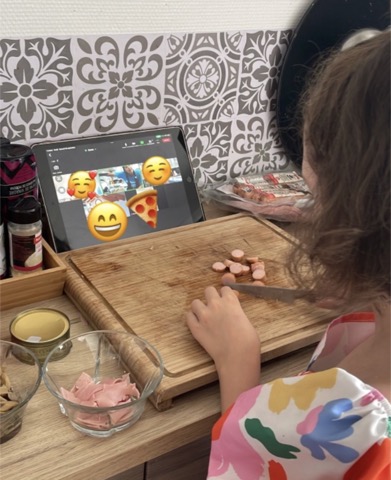
"Diluu's courses are perfect for children you want to raise in a bilingual environment. We've been attending their French classes for over a year and our son has made remarkable progress. Thank you, Diluu!"
★★★★★ 5.0 from 300+ reviews · Read more reviews from families
Frequently asked questions
What age can kids start the French literacy course?
From age 5. The ideal moment is once your child can already read and write in their dominant language: the skills transfer, and they progress much faster in French.
Why are literacy classes one-to-one?
Because the starting point depends on your child's other language: learning to read French from English is not the same as from German or Arabic. One-to-one lets the teacher adapt the method exactly to your child. For the fastest progress we recommend an intensive rhythm of 3 classes per week.
Can my child learn to read in French and English at the same time?
Yes. Reading skills transfer between languages, so learning to read in French supports reading in English too. French spelling is less transparent than Spanish (one sound can be written o, au or eau), which is exactly why a guided one-to-one course helps more than picking it up alone.
What is Reading & Theatre and who is it for?
Our group levels for children who already read and write in French, from age 7, in small groups of maximum 6. Level 1 builds fluency and confidence reading out loud; level 2 moves into literature, scripts they rehearse and perform, and the spelling and grammar that matter once you write for other people. If your child cannot read in French yet, they start with the one-to-one literacy course and move into these levels afterwards.
Does my child need to speak French first?
It helps a lot. The course is designed for children who already speak or understand French. If your child doesn't speak French yet, we recommend starting with our conversation classes and making the jump to literacy later.
Is there any commitment?
No. You can cancel anytime, and you can start with a €3 trial class to see how your child gets on.
Is Spanish your home language? Spanish literacy too.
Same method, same one-to-one classes, with native Spanish teachers.
They speak it. Now let's make it theirs for life.
One €3 class. No commitment. From first letters to reading their own scripts on stage.
Book a trial class · €3